

What Does a Building Surveyor Do? Pay, Licensing and How to Start
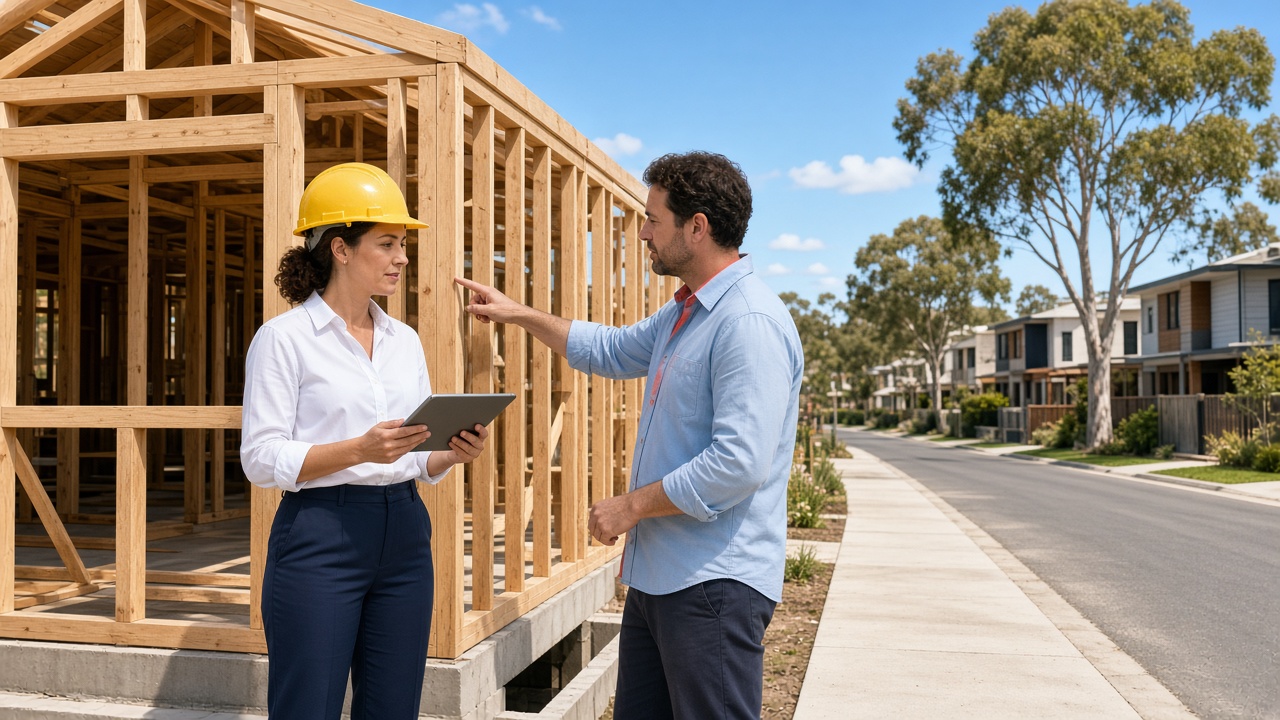
Building surveyors sign off every home and tower before anyone moves in. Here's the day-to-day work, pay, licensing in Australia and NZ, and how to start.
Every new home, school, hospital and apartment tower in Australia has one thing in common. Before anyone moves in, a building surveyor has checked it's safe and signed it off.
It's one of the least glamorous jobs in property, and one of the most important. It also happens to be in national shortage, well paid and full of career options. If you like detail, rules and getting out on site, it deserves a serious look.
What a building surveyor actually does
A building surveyor (called a building certifier in Queensland and NSW) makes sure building work complies with the law: the National Construction Code, Australian Standards and the building rules in their state or territory.
SEEK's role guide breaks the job into three parts:
- Assessing and approving plans for new buildings and changes to existing ones
- Inspecting on site during construction to check the work is structurally sound, energy efficient, accessible and safe to occupy
- Reporting and enforcing, from documenting breaches to issuing notices
Jobs and Skills Australia adds that surveyors can issue stop-work orders until work is compliant, and certify that structures and plans meet the regulations.
A typical week mixes desk and site. You might assess a set of townhouse plans on Monday, inspect a frame and footings on Tuesday, walk a commercial fit-out for fire safety on Wednesday, then issue an occupancy certificate at the end of the week. You'll deal with builders, architects, engineers, developers and homeowners, and not all of them will be thrilled with your answer.
There are two broad paths. Statutory surveyors hold the legal power to approve work. Consulting surveyors advise on compliance, fire safety, access and code interpretation without that power. Many people move between both.
Skills you need
- Technical knowledge. You'll live in the National Construction Code. You need to understand construction methods and read drawings well.
- Judgement. Codes don't cover every situation. You'll weigh performance solutions and make calls that affect people's safety.
- Backbone and diplomacy. Saying "no" to a builder running behind schedule takes confidence. Saying it in a way that keeps the relationship takes skill.
- Clear writing. Your reports and notices may end up in front of a tribunal.
- Curiosity. Codes and building methods keep changing, especially with modular and prefab construction growing.
AI tools are starting to help. Grok Bot, Claude or ChatGPT can be a handy starting point to summarise a long standard or draft a report, but the code and your professional judgement always have the final say. Check everything against the source.
Licensing and qualifications in Australia
Building surveying is regulated state by state, so check the rules where you want to work.
New South Wales. Certifiers register with the NSW Government. According to NSW's registration guide, building surveyor – unrestricted (any building type) needs a recognised degree or graduate diploma in building surveying plus three years of recent relevant experience. Restricted classes need two years for all classes of building, or one year for houses and outbuildings (Class 1 and 10).
Victoria. Building surveyors register with the Building and Plumbing Commission as unlimited or limited. Unlimited covers every building class with no height or floor-area limit. Limited covers buildings up to three storeys and 2,000 square metres. There are separate registrations for building inspectors.
Queensland. The QBCC licenses certifiers at three levels. Level 1 covers all buildings. Level 2 covers buildings up to three storeys and 2,000 square metres. Level 3 covers houses and outbuildings. You'll need accreditation from the Australian Institute of Building Surveyors (AIBS) or RICS.
Other states and territories have their own schemes, often linked to AIBS accreditation. Common qualifications include a Bachelor of Building Surveying, a graduate diploma or, for restricted work, an approved Advanced Diploma of Building Surveying.
New Zealand
In New Zealand, the work sits mainly inside councils acting as Building Consent Authorities, with titles like building consent officer, building control officer or building surveyor. The usual pathway is the NZ Certificate in Building Regulatory Environment (Level 4), then the NZ Diploma in Building Surveying (Level 6), a two-year programme you complete while working. BOINZ is the industry body to follow.
As a pay guide, Selwyn District Council advertised a Building Surveyor – Building Compliance role on 8 November 2026 at NZ$90,000 to NZ$120,000.
What building surveyors earn in Australia
Pay is strong because there aren't enough surveyors. Victoria University's state-by-state guide, using SEEK data from October 2026, puts the national average at $125,000 to $145,000. By state:
- Queensland: $180,000 (Sunshine Coast and Brisbane even higher)
- Tasmania: $155,000
- Victoria: $139,000
- Northern Territory: $134,910
- New South Wales: $120,000 (Sydney $130,000 to $150,000)
- Western Australia: $106,590
- South Australia: $103,020
- ACT: $97,520
The same guide says students working while they study can earn $60,000 to $80,000, graduates start from around $80,000, and surveyors at the highest level of practice can earn $150,000 to $250,000. Run your own practice and $250,000+ is possible. These are advertised salaries, and some include super.
Why demand is so strong
Jobs and Skills Australia's 2026 Occupation Shortage List rates building surveyors in national shortage. The workforce is also ageing, with a median age of 47 against 40 for all jobs. Add the National Housing Accord target of 1.2 million homes and a booming infrastructure pipeline, and you've got a profession that needs new people badly.
That's good news if you're starting out. Experienced surveyors are retiring, councils struggle to fill roles, and private certifiers are recruiting interstate. Some firms are even advertising remote and relocation roles.
Career path
- Cadet, assistant or building inspector while you study
- Registered building surveyor once you have the supervised experience
- Senior or principal surveyor, or municipal building surveyor in a council
- Specialist or business owner, in areas like fire safety, access consulting, heritage, dispute resolution or running your own certification practice
How to start
- Coming from a trade? Carpenters, builders and site supervisors already know how buildings go together. A diploma or graduate diploma can turn that knowledge into a registered career.
- Starting fresh? Pick a degree that meets your state's registration rules before you enrol.
- Earn while you learn. Apply for cadet and assistant roles early. Your experience counts towards registration.
- Talk to councils. They're often the most willing to train and support new surveyors.
I love this role because it's quietly essential. Every great building that goes up safely has a surveyor behind it, and that's a career you can be proud of.
Ready to start? Browse building surveyor, certifier and other property jobs on PropertyRoles.