

Factory-Built Homes in 8 Months: The New Jobs in Property
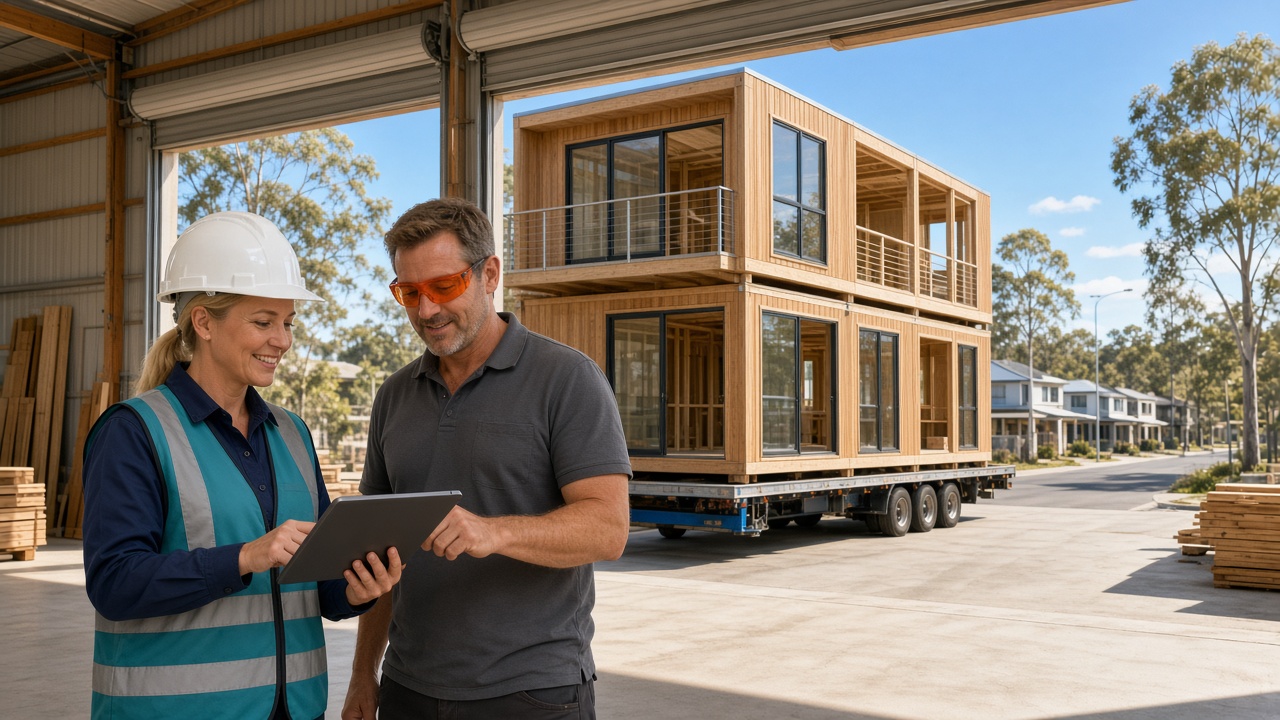
NSW just finished nine factory-built terraces in eight months. Here's why modular construction is creating new property and construction jobs across Australia.
Nine new terrace homes in Sydney's north-west were built in about eight months. A normal build takes 12 to 14. The trick? They were made in a factory, trucked to site and craned into place.
That's the news out of Landcom's Schofields development this week, reported on 5 November 2026, and I think it matters far more for jobs than the headline suggests. When we change how homes get built, we change who builds them, where they work and what skills they need. That's a careers story, and a good one.
What actually happened
The NSW Government is backing what the industry calls modern methods of construction, or MMC. The nine two-storey, three-bedroom terraces at Schofields were built off-site in factory conditions, then installed on the block. They're part of Landcom's Burdekin Road project of around 140 homes, with at least 30% set aside for affordable housing.
The money behind it is real, too:
- $32.3 million over four years to modernise building approvals
- $10 million for a Modular Housing Taskforce
- Nearly $4 million in local manufacturing grants
- A new MMC certification system on the way, plus plans to pick partners to build or expand manufacturing facilities around the state
The new Building (Approvals and Practitioners) Act 2026 now formally recognises prefabricated buildings in NSW law. And Landcom has already lodged a second pilot of 33 homes at Edmondson Park. This isn't a one-off showpiece; it's the start of a pipeline.
Why this is a jobs story
Here's the context. The HIA Trades Report released on 22 October found every market in Australia is still short of skilled trades. Trades prices rose 6.6% in the year to September, the fastest in four years, and HIA reckons we need another 83,000 skilled tradespeople to build the homes Australians need. Bricklayers, tilers, carpenters and roofers are the hardest to find.
Then on 5 November, Prefab News Australia pulled out a number I hadn't seen put so plainly. BuildSkills Australia's Housing Workforce Capacity Study found that a 5% lift in productivity through modern construction methods would have the same effect as adding 30,000 workers to the sector.
Read that again. Factories don't just build faster. They stretch the workforce we already have.
Rising rates and a softer established market have slowed some parts of property this month, and I'm not going to pretend otherwise. But the long-term need for new homes hasn't gone anywhere, and the builders who can deliver faster with fewer people on site are the ones who'll keep hiring through the cycle.
The roles modular creates
Modular doesn't kill construction jobs. It reshapes them. Look at what factory builders are advertising right now:
- Factory carpenters and fit-out trades. Keep Modular in Sydney is advertising for qualified carpenters at $40 to $60 an hour plus super, mostly factory-based, with a path to leading hand or supervisor.
- Factory hands, roofers and crane operators. NOW Modular on the NSW Mid North Coast hires general factory hands with no experience needed, indoor roofers working with a crane and gantry, and C1 crane operators. They openly say their trade roles may suit older tradies who want to "get out of the mud".
- Project managers who think like manufacturers. Someone has to run the job from factory floor to handover, keeping design, production and the site crew in sync.
- Install crews. A module still needs a crew on crane day. That's short, intense, well-planned work.
- Planners, certifiers and development managers who understand the new MMC rules. A brand-new certification system means brand-new expertise, and right now very few people have it.
What I love about this shift is who it opens the door to. Factory work is weather-proof, regular hours, and lighter on the body. BuildSkills modelled that lifting female participation in construction to manufacturing-industry levels could add up to 51,000 workers. A clean, covered, predictable factory floor is a far easier place to make that happen than a muddy site at 6am in July.
Getting qualified faster
If you've already got years on the tools but no formal ticket, there's good news this month as well. The federal Advanced Entry Trades Training program will help 6,000 experienced workers turn real-world skill into a nationally recognised qualification, with gap training at no cost through selected TAFEs. Victoria picked up $18.8 million and 1,452 places, announced on 2 November. Fields include carpentry, tiling, rigging, crane operations, surveying, construction design and site management.
My take: where to position yourself
If you're in property or construction, here's what I'd do over the next few months:
- Learn the language of MMC. Volumetric, panelised, bathroom pods, design for manufacture and assembly. Even a basic grasp sets you apart in an interview.
- Lean into the tech. Factory builds live and die on digital models, production schedules and precise data. Use AI tools like Grok Bot, Claude or ChatGPT to get up to speed on the terms, summarise a planning policy or prep for an interview. They're a brilliant starting point, so long as you check the facts.
- Look beyond the capital cities. Many modular factories sit in regional areas where land is cheaper, and they're keen to hire locals.
- Back your existing skills. A good site supervisor, estimator or carpenter is already 80% of the way to a great modular hire.
Australia's housing problem is increasingly a staffing problem, and smart people are finally treating it like one. Faster builds, safer workplaces and new career paths for people who never saw themselves in construction? I'm genuinely excited about where this goes.
Ready to be part of it? Browse the latest property and construction jobs on PropertyRoles and find your next move.
Brett Iredale